Periodontal Treatment
Periodontal treatment addresses bleeding, inflamed, early and advanced gum disease with targeted preventive support, helping protect your teeth and maintain a healthier, fresher-feeling smile.
New here? Start with an Oral Health Checkup.
Healthy gums are essential for a healthy smile. Periodontal care focuses on preventing, diagnosing, and treating gum disease before it leads to more serious problems such as bone loss or tooth loss. Early treatment is simple and highly effective.
What is gum disease?
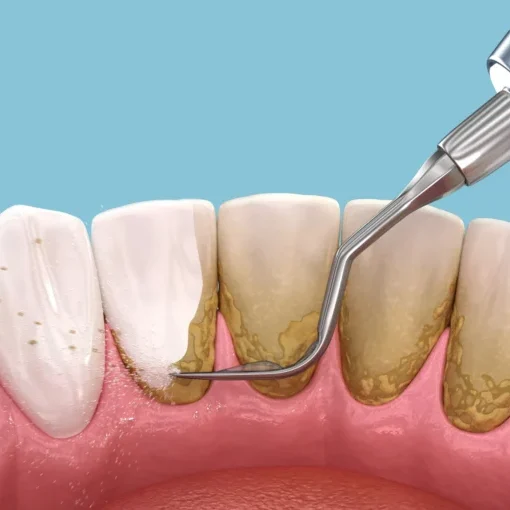
Gum disease begins when plaque builds up around the gums, causing inflammation. Early signs include bleeding when brushing, persistent bad breath, redness, or tenderness. At this stage, the condition is reversible with professional care and good daily cleaning routines.
What to expect during treatment
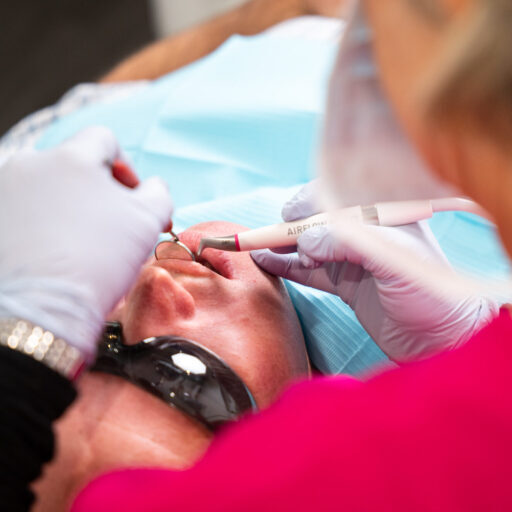
During your visit, we assess your gums and identify any areas of concern. Treatment may include a deep clean to remove plaque and tartar from below the gumline, where brushing and flossing can’t reach. This helps reduce inflammation and allows the gums to heal naturally.
We’ll also show you the best techniques for caring for your gums at home, tailored to your mouth and lifestyle.
When gum disease is more advanced
If gum disease has progressed, we may recommend follow-up visits or more specialised cleaning to prevent further damage. Our focus is always on stabilising the condition and keeping your teeth healthy for the long term.
Advanced periodontal disease often needs specialist intervention. We work in collaboration with a team of specialists in Tauranga to achieve the best possible outcome for our patients.
After your appointment
Your gums may feel tender for a short time, especially if significant cleaning was needed. This is normal and typically settles within a day or two. Maintaining regular hygiene appointments and good home care will help keep your gums healthy.
Protecting your long-term oral health
Most gum problems can be prevented with regular check-ups and hygiene visits. If you ever notice bleeding, swelling, recession, or persistent bad breath, early assessment is the best way to avoid more complex treatment later on.